


Insights from Brazilian endocrinologist — don’t forget your D
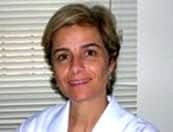 Last week I had the pleasure of meeting the Brazilian endocrinologist and vitamin D researcher Dr. Marise Lazaretti Castro at a meeting of bone researchers held at the National Institutes of Health (NIH) in Bethesda, MD. Like many other open-minded physicians, Dr. Lazaretti and colleagues became fascinated with the new research on the wide-ranging benefits of vitamin D and they wanted to learn more about vitamin D levels in their hometown, São Paulo, Brazil (latitude 23°S).
Vitamin D levels of study participants (measured in ng/mL)
| Group | Winter | Summer |
| Nursing | 14.4 | 16.8 |
| Community | 17.6 | 23.6 |
| Active Elderly | 31.2 | 36.4 |
| Young | >27.6 | >41.2 |
The participants were divided into four groups: elderly living in nursing homes (Nursing), elderly living in the community (Community), elderly enrolled in an outdoor physical activity program (Active Elderly), and a group of young people around the age of 23 years (Young). Their vitamin D levels were tested throughout the year, and Dr. Lazaretti and her colleagues found some interesting results.
One of the first and most important findings is that the 20 ng/mL level of vitamin D proposed by the US Institute of Medicine for adequate bone protection is actually 10 ng/mL too low. Based on control and optimization of parathyroid hormone levels, Lazaretti found that vitamin D levels should be above 30 ng/mL for bone protection.
She also found the following:
- Overall, the elderly had deficient vitamin D levels throughout the year, with nursing home residents having the lowest levels.
- The active elderly enrolled in an outdoor exercise program maintained minimal vitamin D adequacy throughout the year. Interestingly, the outdoor active elderly were able to produce as much vitamin D from sun exposure as did the young group. This finding is in contrast to the popular notion that older individuals produce less vitamin D upon sunlight exposure than do younger individuals.
- In the winter, the outdoor exercising elderly were the only group able to maintain vitamin D adequacy. Even the young group fell below 30 ng/mL level during the winter.
- There was a 3-month delay between the time of lowest ultraviolet radiation and the time of lowest vitamin D blood levels. The vitamin D blood levels fell to their lowest in October, while the lowest UV radiation occurred three months earlier in June.
Better Bones take home messages
Dr. Lazaretti’s research reminds us of the importance of vitamin D and its connection to Better Bones. Here’s a quick start to healthier bones:

1. Get your vitamin D level tested.
2. Protect your skeleton with at least a 30 ng/mL level. Our target vitamin D level is 50 ng throughout the year.
3. Supplement with vitamin D as necessary. Each 1,000 IU of vitamin D3 generally raises the vitamin D level 10 ng/mL.
4. Exercise outdoors and enjoy the sunlight when possible.
Reference:
Maeda, S et al. 2011. 25-hydroxyvitamin D delayed response to seasonal ultraviolet radiation type B: The São Paulo vitamin D evaluation study (SPADES). Poster #P29, Forum on Aging and Skeletal Health, ASBMR, March 21-22, held at the NIH, Bethesda, MD.
 I’m Dr. Susan E Brown. I am a clinical nutritionist, medical anthropologist, writer and motivational speaker. Learn my time-tested 6 step natural approach to bone health in my online courses.


Leave a Reply
Want to join the discussion?Feel free to contribute!