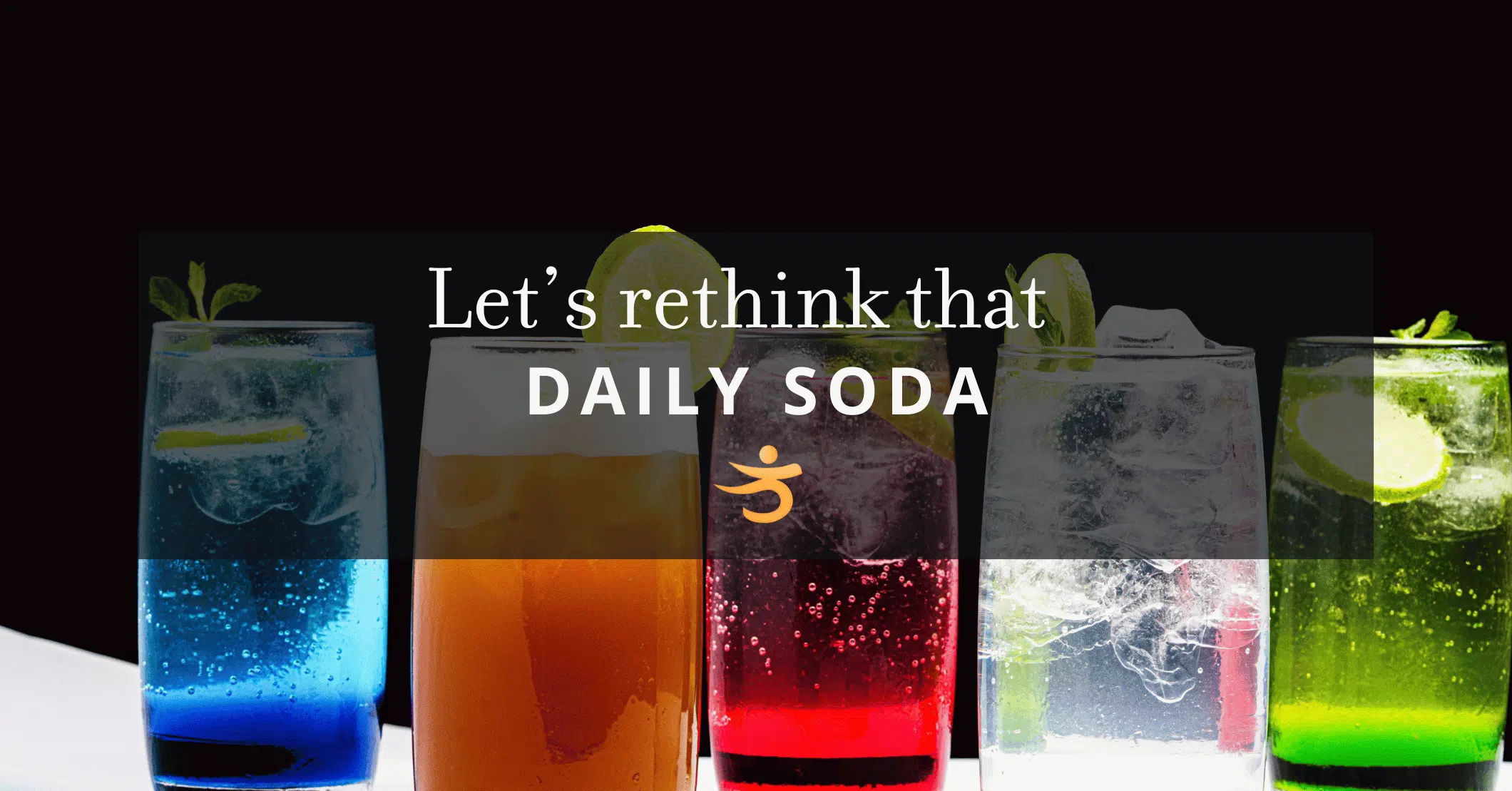
I’ve had many clients over the years who were avid cola drinkers — even using their Coke or Pepsi as a breakfast coffee substitute. I’ve also seen plenty of people who readily recognized they were addicted to sodas, relying on several of these drinks a day just to stay alert and functioning.
Somewhere deep down, I believe most of us know sodas are not nourishing. But not everyone fully understands the detailed and very real relationship between soda and bone health — or how far the damage may extend beyond the skeleton.
Because so many of us continue to drink soda, I don’t believe we truly grasp the long-term consequences. Especially when you consider that the average American consumes nearly 45 gallons of soda per year. We drink more soda than bottled water, beer, or milk.
That’s not a small habit. That’s a daily exposure.
And the consequences are much broader than we once thought.
Soda, Fracture Risk & Bone Mineral Density
Excessive soda use paves the way for many degenerative diseases, including diabetes, obesity, metabolic syndrome, heart disease, tooth decay — and osteoporosis.
Researchers studying soda and bone health examined women who drank three or more cola-type sodas per day. They found nearly 4% lower bone mineral density in the hip among cola drinkers — whether the soda was regular, diet, or caffeine-free.
(Interestingly, non-cola sodas did not show the same association, and the effect was not observed in men.)
For young girls, the data is even more concerning. Studies document a three- to five-fold increase in fracture risk among teenage girls who regularly consume acidic soft drinks.
Those are not minor differences. That’s a meaningful impact on skeletal strength during critical bone-building years.
Why Soda Affects Bone
1. Phosphoric Acid & Mineral Loss
Many colas contain phosphoric acid. When the body works to neutralize this acid load, it may draw on alkalizing mineral compounds — including calcium — from bone reserves. Over time, that can contribute to gradual mineral depletion.
2. Caffeine & Calcium Excretion
Caffeine may increase urinary calcium excretion, contributing to lower mineral retention.
3. The Replacement Effect
The more soda someone drinks, the less likely they are to choose water, mineral-rich beverages, or milk. This reduces overall nutrient intake.
And then there’s the sugar.
A regular 12-ounce soda contains 9–10 teaspoons of sugar, typically as high-fructose corn syrup. That sugar drives insulin spikes, inflammation, and metabolic disruption — all of which influence bone remodeling.
The damaging effects of these ingredients are cumulative and additive.
But what we now understand is that soda’s impact doesn’t stop at bone.
New Research: One Soda a Day Changes the Picture
Emerging long-term data now show that just one soda per day increases the lifetime risk of type 2 diabetes by 20–30%.
One or more sodas daily are also associated with increased risk of:
- Stroke
- Dementia
- Atrial fibrillation
- Fatty liver disease
- Kidney stones
- Increased all-cause mortality
Even small daily intake appears to raise risk over time.
This matters deeply for bone health.
Bones are living tissue that depend on healthy circulation, stable blood sugar, balanced hormones, and strong kidney function to properly remodel and retain minerals. When soda contributes to metabolic syndrome, vascular disease, or fatty liver, it creates a systemic inflammatory environment that compromises bone integrity.
Kidney stone risk is particularly relevant — since calcium imbalance and altered mineral handling directly affect skeletal health.
In other words: soda doesn’t just weaken bones directly — it creates a metabolic environment that makes bone loss more likely.
The Acid Load Connection
Colas containing phosphoric acid add to the body’s acid load. When dietary acid exceeds the buffering capacity provided by vegetables, fruits, nuts, and seeds, the body relies more heavily on mineral reserves to maintain a stable internal pH.
This is one reason I emphasize a mineral-rich, alkaline-supportive dietary pattern — abundant in plant foods, adequate clean protein, and sufficient magnesium, potassium, and calcium from whole food sources.
If soda becomes a daily habit in a diet already low in mineral-rich vegetables, the burden on bone increases.
And that burden accumulates over years.
Healthy Refreshing Alternatives
The good news? Replacing soda is one of the simplest and most powerful steps you can take.
- Iced green tea for a gentle caffeine lift
- Sparkling mineral water with fresh citrus
- Fresh squeezed lemon or lime in water
- Iced fruit smoothies rich in antioxidants
- Garden-fresh carrot and vegetable juices
Right now, I’m starting my day with a green drink — juicing greens and celery from my garden along with carrots and a crisp apple. It energizes without depleting.
I bet you also have creative ideas for alternatives to soda for you and your family. I’d love to hear your favorites.
The Bottom Line
- Lower bone density
- Increased fracture risk in girls
- Greater calcium loss
- Increased diabetes risk (20–30%)
- Higher risk of stroke, dementia, and atrial fibrillation
- Greater fatty liver and kidney stone risk
- Increased overall mortality
That’s a heavy cost for a daily beverage. Be conscious of the relationship between soda and your bones — and your total health.Small daily habits matter.Choose mineral-rich nourishment. Choose vitality.
References:
Tucker, K., et al 2006. Colas, but not other carbonated beverages, are associated with low bone mineral density in older women: The Framingham Osteoporosis Study. Am. J. Clin. Nutr., 84 (4), 936–994.
Wyshak, G and Frisch, RE., 1994 ; Wyshak, G,2000. “Teenaged girls, carbonated beverage consumption and bone fractures”. Arch Pediatr Adolesc Med. June, 2000, Vol 154, No. 6. pages 610-613.
Fernando, G., et al. 1999. Consumption of soft drinks with phosphoric acid as a risk factor for the development of hypocalcemia in postmenopausal women. J. Clin. Epidemiol., 52 (10), 1007–1010.
Taylor, E., & Curhan, G. 2009. Demographic, dietary, and urinary factors and 24-h urinary calcium excretion. Clin. J. Am. Soc. Nephrol., 4 (12), 1980–1987.
http://jn.nutrition.org/content/123/9/1611.long
Greer, B. Food Works. University of Tennessee Extension Document # SP468.
http://adage.com/article/news/consumers-drink-soft-drinks-water-beer/228422/