


Charts and summaries
Nutrition & bone health
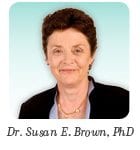 In this section we offer a series of charts and food guidelines which you will find useful in developing your personal bone building program. At the Center for Better Bones I use these materials on a daily basis to develop bone-healthy diets. To start with, everyone is given my “Food guidelines for better bone strength at any age;” then we look at the other charts as applicable. The nutrient food source tables list the best nutrient sources of many key bone building nutrients. These are also very helpful in guiding food choices.
- Food guidelines for better bone strength at any age
- Best food sources of calcium
- Best food sources of magnesium
- Best food sources of potassium
- Best food sources of vitamin K
- Best food sources of vitamin D
- Caffeine counter
- Blood sugar and bones
- Blood sugar curve
Most people consume substances that rob nutrients from bone. Such substances include large amounts of animal protein, sugar, colas, caffeine, fats, alcohol, and excess salt. Avoiding consumption of these foods will help retain more minerals within your body.
Caffeine
Two cups of brewed coffee (roughly 300 mg) is enough to cause significant bone mineral loss. Figure out how much caffeine you consume in a day with our Caffeine Counter.
Fat and Protein
Both high quality essential fats and protein are essential for good bone health. Too much protein or fat, however, actually damages bone. You can calculate your fat and protein with our Protein/Fat Counter. For most individuals, 50 to 60 g of protein is adequate, and fat intake should be cut from our average of nearly 100 g to 50 g, or even a bit less.
Salt
You should keep your salt intake below 2,000 mg/day (roughly one teaspoon) because salt depletes calcium and other vital minerals in bone.
Tobacco
In addition to its other health-depleting effects, tobacco is a serious bone robber, and it therefore should be eliminated by those interested in bone health.
For a more complete discussion of this topic, please see Susan Brown’s book Better Bones, Better Body.
 I’m Dr. Susan E Brown. I am a clinical nutritionist, medical anthropologist, writer and motivational speaker. Learn my time-tested 6 step natural approach to bone health in my online courses.


Leave a Reply
Want to join the discussion?Feel free to contribute!